
How Diet Habits Affect Liver Wellness in Phoenix, AZ
The liver works hard every day to process nutrients, filter toxins, and support overall health. However, diet habits can either help or burden this vital organ. In Phoenix, AZ, hot temperatures and modern eating patterns create unique challenges for liver wellness. According to health data, millions of Americans live with liver-related conditions, and poor nutrition remains a leading contributor. Therefore, understanding healthy food choices matters more than ever. While exploring wellness topics, many people also search for foods that support jaundice treatment because nutrition often plays an important role in liver recovery and function.
Why Liver Health Matters More Than Many People Realize
The liver performs hundreds of important functions every day. It helps digest fats and regulates blood sugar levels. In addition, it stores vitamins and minerals for future use. Because of these responsibilities, poor dietary choices can create long-term health concerns.
Many people focus on heart health and weight management. However, they often overlook liver wellness until symptoms appear. As a result, unhealthy habits may continue for years without warning signs. Early prevention through better nutrition remains one of the most effective strategies.
Phoenix residents face additional environmental challenges. High temperatures increase fluid loss throughout the day. Consequently, dehydration can affect how efficiently the body processes nutrients. Healthy eating and hydration work together to support liver function.
The Connection Between Diet and Liver Function
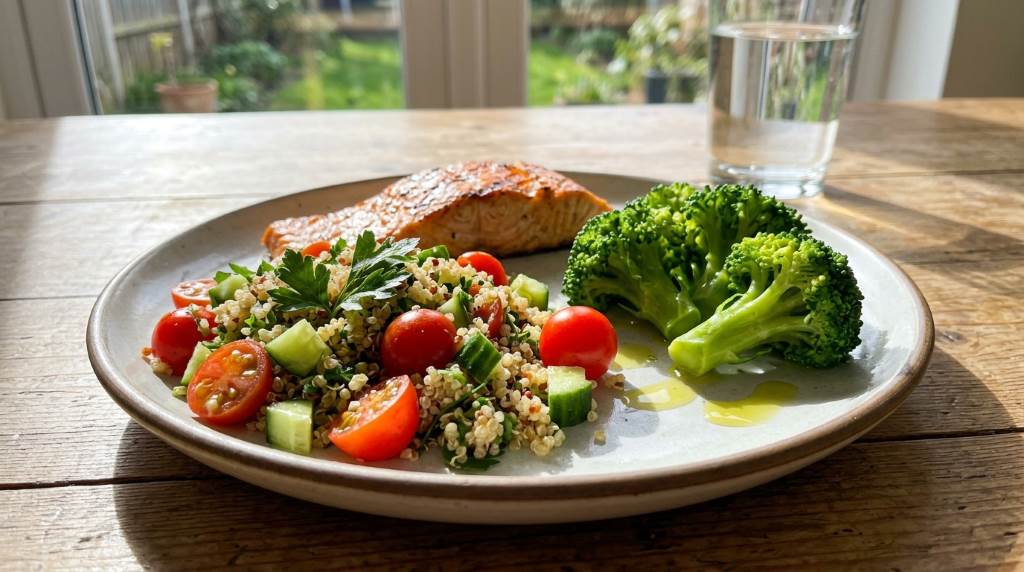
Every food choice influences liver activity. Nutrient-rich foods provide vitamins and antioxidants that support cellular repair. Meanwhile, heavily processed foods can increase inflammation. Therefore, consistent dietary habits have a direct impact on liver wellness.
The liver converts nutrients into usable energy. It also removes waste products created during metabolism. Furthermore, a balanced diet helps reduce unnecessary strain on these processes. Good nutrition allows the liver to operate more efficiently.
Mental wellness also affects nutritional decisions. Research shows that stress often influences eating behaviors. Therefore, strategies that improve daily focus and routines, such as benefits of personalized ADHD strategies, may indirectly support healthier food choices and better overall wellness.
Common Diet Habits That Harm Liver Wellness
Excessive Added Sugar Consumption
Many packaged foods contain large amounts of added sugar. Soft drinks and sweet snacks contribute significantly to daily intake. Consequently, excess sugar may convert into fat within the liver. Over time, this process can affect liver performance.
People often underestimate hidden sugars in beverages. Energy drinks and flavored coffees may contain surprisingly high amounts. Therefore, reading nutrition labels becomes an important habit. Small changes can reduce sugar intake substantially.
Frequent Fast Food Consumption
Fast food offers convenience for busy lifestyles. However, these meals often contain excess sodium and unhealthy fats. As a result, regular consumption may increase metabolic stress. Liver function can suffer when poor choices become routine.
Many fast-food meals also provide limited nutritional value. Essential vitamins and minerals remain absent in many menu options. Therefore, the body receives fewer nutrients needed for cellular repair. Balanced alternatives support better health outcomes.
Insufficient Fiber Intake
Fiber supports healthy digestion and nutrient regulation. Yet many adults consume far less than recommended amounts. Consequently, digestive efficiency may decline over time. A fiber-rich diet supports overall metabolic health.
Whole grains, fruits, and vegetables provide excellent fiber sources. Moreover, these foods contain antioxidants that help protect cells. Regular consumption supports long-term liver wellness. Small daily improvements can make a meaningful difference.
How Phoenix Climate Influences Dietary Choices
Phoenix experiences long periods of intense heat each year. High temperatures increase sweating and fluid requirements. Therefore, hydration becomes essential for maintaining healthy bodily functions. The liver also benefits from adequate fluid intake.
Many residents rely on cold sugary beverages during summer months. Unfortunately, these drinks often contain excess calories and sugar. As a result, frequent consumption may create unnecessary liver stress. Water remains the best hydration choice for most people.
Fresh produce remains widely available throughout the region. Local markets often provide seasonal fruits and vegetables year-round. Therefore, residents have many opportunities to build healthier meal plans. Nutrient-dense foods support both hydration and liver wellness.
Foods That Support Healthy Liver Function
Leafy Green Vegetables
Leafy greens provide vitamins, minerals, and plant compounds. These nutrients help support normal cellular processes. In addition, greens contain fiber that promotes digestive health. Regular intake benefits overall wellness.
Spinach, kale, and arugula offer versatile meal options. They fit easily into salads and smoothies. Consequently, adding greens to daily meals becomes simple. Consistency produces the greatest benefits.
Fatty Fish
Fish such as salmon and sardines contain omega-3 fatty acids. These nutrients support healthy inflammatory responses. Therefore, they may help maintain balanced metabolic function. Many experts recommend including fish several times weekly.
Omega-3 fats also support cardiovascular health. Since body systems work together, broader health improvements often benefit liver function. As a result, fish represents a valuable addition to many diets. Preparation methods matter as much as food selection.
Berries and Colorful Fruits
Berries contain antioxidants that help protect cells from oxidative stress. Blueberries and strawberries remain particularly popular choices. Furthermore, they provide vitamins without excessive calories. Fresh fruit supports healthy eating habits.
Colorful fruits add variety and flavor to meals. They also encourage reduced dependence on processed desserts. Therefore, fruit can satisfy sweet cravings naturally. Long-term consistency supports better wellness outcomes.
The Role of Hydration in Liver Wellness
Hydration often receives less attention than nutrition. However, water supports countless bodily functions every day. The liver depends on proper hydration to assist metabolic processes. Therefore, adequate water intake remains essential.
Phoenix residents face greater dehydration risks due to heat exposure. Outdoor activities increase fluid loss significantly. Consequently, hydration needs may exceed those of cooler regions. Water consumption should match environmental conditions.
Many people mistake thirst for hunger. As a result, they may consume unnecessary calories. Developing better hydration habits can improve dietary decisions. Small behavioral changes often create lasting benefits.
An Uncommon Factor: Meal Timing and Desert Lifestyle Patterns
Most liver wellness articles focus only on food choices. However, meal timing deserves greater attention. Phoenix residents often avoid outdoor activities during peak heat. Consequently, eating schedules may shift later into the evening.
Late-night eating can influence metabolic efficiency. The body processes nutrients differently throughout the day. Therefore, consistently heavy evening meals may affect overall wellness. Balanced meal distribution supports healthier routines.
Desert climates also encourage irregular hydration patterns. Some people consume minimal fluids during work hours. Later, they drink large amounts at night. Although hydration remains important, steady intake throughout the day offers greater benefits.
This combination of delayed meals and inconsistent hydration rarely appears in liver wellness discussions. Yet it represents a realistic lifestyle factor for many Phoenix residents. Therefore, meal timing deserves consideration alongside food quality. Practical adjustments may support better long-term outcomes.
Stress, Mental Health, and Nutritional Decisions
Stress often influences dietary habits more than people realize. Many individuals choose convenience foods during busy periods. Consequently, nutrient quality may decline over time. Healthy routines require both planning and consistency.
Mental wellness strategies can support healthier eating behaviors. For example, resources discussing how eye movement therapy supports emotional well-being highlight the relationship between mental and physical health. Better stress management often encourages improved food choices.
Modern healthcare options also improve access to support services. Many people now use benefits of virtual therapy programs to maintain wellness goals. As a result, they may find it easier to sustain healthier habits over time.
Practical Diet Tips for Better Liver Wellness
- Drink water consistently throughout the day.
- Choose whole foods more often than processed products.
- Include vegetables with most meals.
- Limit sugary beverages and desserts.
- Prioritize fiber-rich foods daily.
- Select lean protein sources regularly.
- Reduce excessive sodium intake.
- Maintain consistent meal schedules.
These habits do not require extreme dietary changes. Instead, they encourage gradual improvements that remain sustainable. Therefore, individuals can build healthier routines without feeling overwhelmed. Consistency produces stronger results than short-term restrictions.
Signs Your Diet May Need Improvement
Frequent fatigue sometimes reflects nutritional imbalances. Low energy levels can affect productivity and daily comfort. Therefore, reviewing food choices becomes worthwhile. Better nutrition often supports improved vitality.
Digestive discomfort may also indicate dietary concerns. Processed foods and inadequate fiber frequently contribute to these issues. Consequently, increasing whole-food intake may help. Small dietary changes often provide noticeable benefits.
Unexplained weight gain can signal unhealthy eating patterns. Although many factors influence body weight, nutrition remains important. Therefore, tracking dietary habits may reveal improvement opportunities. Awareness supports better decision-making.
Conclusion
Diet habits play a powerful role in liver wellness. Food quality, hydration, meal timing, and stress management all contribute to long-term health. In Phoenix, environmental conditions create additional considerations that deserve attention. Therefore, residents should focus on consistent, balanced habits rather than quick fixes.
Start making small improvements today. Choose nutrient-dense foods, stay hydrated, and create sustainable routines. Over time, these simple actions can support better liver function and overall wellness. Your future health depends on the choices you make now.
FAQs
Can dehydration affect liver wellness?
Yes, dehydration can reduce metabolic efficiency and place additional stress on bodily functions.
Which foods are best for supporting liver health?
Leafy greens, berries, fatty fish, and whole grains are excellent dietary choices.
Does Phoenix heat increase liver health risks?
High temperatures increase dehydration risk, which can indirectly affect overall liver wellness.
How often should I drink water during hot weather?
Drink water consistently throughout the day rather than consuming large amounts at once.
Can stress influence liver wellness?
Yes, stress often affects eating habits, which can impact overall nutritional quality and health.