How to Choose the Best Golf Grips for Arthritis Pain Relief in 2026
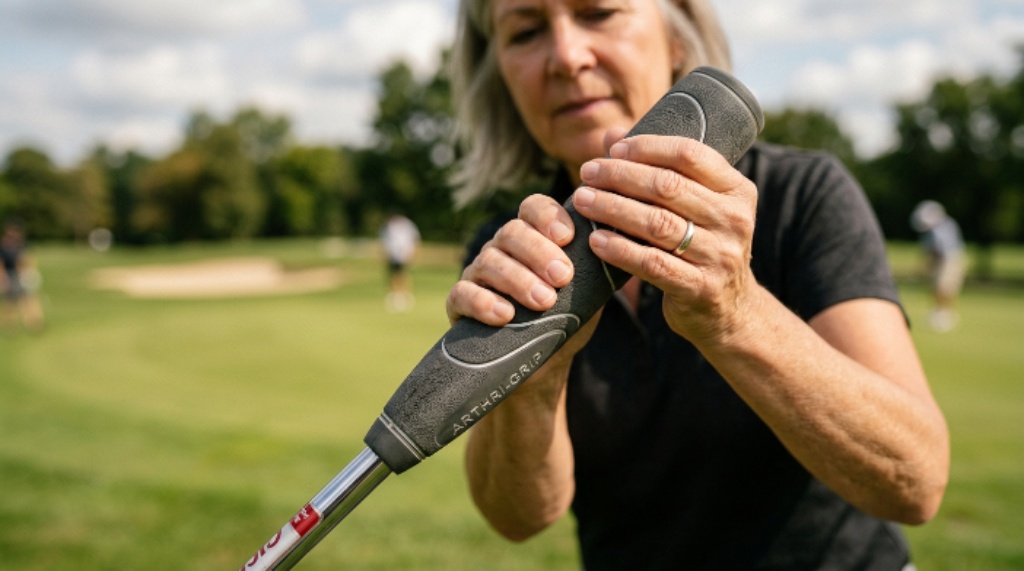
Playing golf with arthritis can feel discouraging. Every swing sends discomfort through your fingers, hands, and wrists. However, the right golf grip can change everything. Choosing grips designed for arthritis is one of the smartest upgrades any golfer can make. This guide walks you through everything you need to know so you can stay on the course longer and feel better doing it.
Why Golf Grips Matter for Arthritis Sufferers
Arthritis causes inflammation in the joints. When you grip a standard golf club, the pressure on swollen or stiff joints can cause real pain. Over time, this discourages play and reduces your enjoyment of the game.
The grip is the only point of contact between you and your club. Therefore, it directly affects how much strain your hands and fingers absorb during every swing. A poorly fitting or hard grip forces you to squeeze tighter, which worsens joint stress. A well-designed grip, on the other hand, distributes pressure evenly and reduces that strain significantly.
Additionally, the right grip can improve your swing mechanics. When your hands are not fighting pain, your muscles relax, your tempo improves, and your accuracy follows.
Key Features to Look for in Arthritis-Friendly Golf Grips
Not all grips are made equal. When shopping for pain-free golf equipment, focus on these specific qualities.
Softness and Cushioning
Soft golf grips are the single most important feature for arthritis players. They absorb vibration from impact and reduce the force traveling into your joints. Look for grips made from rubber compounds or foam-based materials. These materials compress slightly under pressure, which cushions the fingers and palms during contact.
Avoid grips that feel hard or corded. Corded grips are excellent for wet-weather control, but they require more grip pressure and can irritate sensitive joints.
Larger Diameter
Oversized or jumbo grips are a popular choice for golfers with arthritis. A larger diameter means your fingers do not have to wrap as tightly around the grip. This reduces tension in the hand and finger joints. Many arthritis patients find that moving up one or two grip sizes dramatically lowers discomfort.
If you are unsure which size suits you, visit a local pro shop. A fitting specialist can measure your hand size and recommend the right diameter.
Texture and Tackiness
A good grip should feel secure without requiring a tight squeeze. Tacky surfaces allow you to hold the club firmly with very little effort. This is especially helpful on humid days when sweaty hands make gripping harder. Look for grips with a lightly textured surface that enhances tack without being rough on the skin.
Non-Slip Performance in Wet Conditions
Arthritis can also affect your grip strength, making wet conditions particularly challenging. Choose grips that maintain traction in rain or humidity. Many modern grips use polymer compounds that stay tacky even when damp, so you never feel the need to squeeze harder than necessary.
Best Types of Golf Grips for Arthritis in 2026
Oversized Rubber Grips
These remain the gold standard for arthritis relief. They are widely available, affordable, and compatible with almost every club. Oversized rubber grips reduce muscle tension in the forearm, which can also ease elbow and shoulder strain down the chain.
Wrap-Style Grips
Wrap grips mimic the feel of leather but use synthetic materials that stay soft over time. They provide joint support by giving your hand a naturally comfortable place to rest without forcing an awkward wrist angle. Many players with mild to moderate arthritis prefer this style for its classic feel and gentle cushioning.
Putter Grips
The putting stroke is repetitive and precise. For arthritis players, a thicker putter grip reduces the micro-tension that builds up over 18 holes of putting. Several companies now make putter-specific grips that are extra wide and extremely soft, helping you maintain a light, relaxed grip throughout your round.
Arthritis-Specific Grip Models
Several major manufacturers now produce grips specifically engineered for players with joint conditions. These products combine maximum softness, optimized diameter, and superior tack. They represent some of the most thoughtfully designed pain-free golf equipment available today.

How Grip Size Affects Joint Health
Getting the right grip size is not just about comfort. It is about protecting your joints over the long term. When a grip is too thin, your fingers curl too far around it. This creates excess flexion in the knuckles and puts strain on the tendons.
Conversely, when a grip is too large, your wrist cannot hinge naturally through the swing. Therefore, finding the right balance is essential.
A simple test: with a standard grip in hand, your fingertips should lightly touch the base of your palm. If they dig in deeply, go larger. If they barely reach, the grip may be too big.
Installation Tips and Maintenance
Even the best grip does its job poorly if it is installed incorrectly or worn out. Here are some practical tips.
- Replace grips at least once a year if you play regularly, or every 40 rounds.
- Clean your grips after each round with warm water and mild soap to maintain tackiness.
- Avoid leaving clubs in a hot car, as heat degrades the rubber and makes grips hard.
- When regripping, use the correct amount of tape to avoid changing the diameter accidentally.
A fresh, clean grip means you spend less energy holding the club, which directly benefits your joints during every round.
Additional Accessories That Complement Arthritis-Friendly Grips
Grips do not work in isolation. Pairing them with other thoughtful equipment choices makes a real difference.
Arthritis gloves with extra padding over the knuckles enhance the soft grip experience further. They add a layer of shock absorption between your hand and the club. Additionally, using lighter-weight clubs reduces the overall force on your joints, so your grips do not have to compensate as much.
Some players also use grip trainers during the off-season to maintain hand strength gently. Stronger hands require less grip pressure, which means less joint stress over an entire round.
Conclusion
Arthritis does not have to end your time on the golf course. The key is making smart, targeted choices about your equipment. Start with soft golf grips in the right size. Prioritize cushioning, tack, and a diameter that lets your hands relax rather than clench. Look for products designed with joint support in mind, and replace your grips regularly to keep them performing at their best.
Additionally, pair your upgraded grips with gloves, lighter clubs, and proper technique for the most complete approach to playing pain-free. Golf is a lifelong sport, and with the right equipment in 2026, arthritis players have more options than ever to stay in the game comfortably.
Frequently Asked Questions
What grip size is best for golfers with arthritis?
Oversized or jumbo grips are generally the best starting point. They reduce the amount of finger flexion required, which lowers joint stress. However, the ideal size depends on your hand dimensions, so a professional fitting is recommended.
How often should I replace my golf grips if I have arthritis?
Most experts recommend replacing grips every 40 rounds or once per year. Worn grips lose their tack, which causes you to squeeze harder and put more strain on arthritic joints.
Do arthritis golf gloves work better with specific grip types?
Yes. Arthritis gloves with padded knuckle zones work best alongside soft rubber or wrap-style grips. Together, they provide layered cushioning that significantly reduces vibration and joint pressure.
Can the right golf grip improve my swing if I have arthritis?
Absolutely. When your hands feel comfortable and secure, you naturally relax your grip pressure. This leads to a smoother swing, better tempo, and improved ball striking without extra effort.
Are there specific brands known for making arthritis-friendly golf grips?
Several well-known brands produce grips that work well for arthritis, including Golf Pride, Lamkin, and Winn. Look for their oversized or “soft feel” product lines, as these are specifically designed to offer maximum cushioning and tack.
Related Topics:
How to Create a Workplace Ergonomics Guide for Healthier Teams
How to Improve Blood Circulation Using a Wedge Pillow