How to Improve Blood Circulation Using a Wedge Pillow
Good circulation is the foundation of good health. When blood flows freely through your body, your muscles get oxygen, your organs function properly, and you wake up feeling refreshed. However, poor sleeping positions can quietly work against you every night. They can restrict blood flow, cause swelling, and leave you stiff and tired in the morning.
A wedge pillow is a simple, affordable solution that many people overlook. It uses the power of elevation to keep your body in a position that supports healthy circulation while you rest. This article explains how it works, who benefits most, and how to use one effectively.
What Is a Wedge Pillow?
A wedge pillow is a triangular-shaped cushion designed to lift a specific part of your body at an angle. Unlike standard pillows, it holds its shape throughout the night. It does not flatten under your weight or shift out of position while you sleep.
Wedge pillows come in various angles, typically ranging from 30 to 45 degrees. They are made from memory foam, high-density foam, or a combination of both. Some have removable covers for easy washing, and others include cooling layers to prevent overheating.
They are used to elevate the head, upper back, legs, or feet — depending on what condition you are managing. Each position targets a different part of the body and offers a unique set of benefits.
How Poor Sleep Position Affects Blood Flow
Most people do not think about posture when they climb into bed. However, the way you sleep has a direct impact on how well your blood moves through your body overnight.
When you sleep flat on your back with your legs level with your heart, blood can pool in the lower extremities. This is especially common in people who sit for long hours during the day. Over time, this pooling leads to swelling, heaviness in the legs, and varicose veins.
Sleeping on your side without proper support can compress blood vessels in your shoulders and hips. This reduces circulation to the arms and legs on the compressed side. Many people wake up with numbness or tingling, which is the body signaling that blood flow has been restricted.
Additionally, sleeping with your head too low can cause fluid to accumulate in the face and neck. This contributes to puffiness, nasal congestion, and even increased snoring. Elevation addresses all of these problems by working with gravity rather than against it.
The Science Behind Elevation and Circulation
Gravity plays a constant role in how your blood moves. Your heart works hard to pump blood upward to the brain and downward to the feet. When you lie flat, the heart still works, but blood return — the journey back to the heart — becomes less efficient in certain positions.
Elevation reduces the distance blood must travel against gravity. When your legs are raised above the level of your heart, blood returns more easily through the veins. This relieves pressure on the vessel walls and reduces the buildup of fluid in the ankles and feet.
The same principle applies to the upper body. Elevating the head and shoulders opens the airways and allows the chest to expand more fully during breathing. Better breathing means more oxygen in the blood, and more oxygen means better circulation throughout the body.
Therefore, even a modest angle — as little as 30 degrees — can create a meaningful difference in how your circulatory system performs while you sleep.
Who Benefits Most From a Wedge Pillow?
Almost anyone can benefit from better sleep positioning. However, certain groups see the most significant improvements.
People with varicose veins or chronic venous insufficiency benefit greatly from leg elevation. Raising the legs reduces pressure in the veins and makes it easier for blood to flow back toward the heart. Many vascular specialists recommend leg elevation as part of a daily routine for managing these conditions.
Individuals who experience swollen ankles or feet — whether from long days on their feet, pregnancy, or a sedentary lifestyle — find that overnight elevation reduces morning swelling noticeably.
Those with acid reflux, sleep apnea, or snoring also turn to wedge pillows for relief. While these are not strictly circulatory issues, they all improve when breathing and body position are optimized. Better breathing directly supports better oxygen delivery and, therefore, better circulation.
People recovering from surgery often use wedge pillows as part of their post-operative care. Elevating an injured limb reduces inflammation by encouraging fluid drainage. This speeds up healing and reduces discomfort.
Additionally, older adults, who naturally experience reduced circulation and more joint stiffness, often find that a wedge pillow makes a meaningful difference in how they feel each morning.
How to Use a Wedge Pillow to Improve Blood Flow
The right way to use a wedge pillow depends on where your circulation concerns are located. Here is a breakdown by body area.
Elevating the Legs for Lower Body Circulation
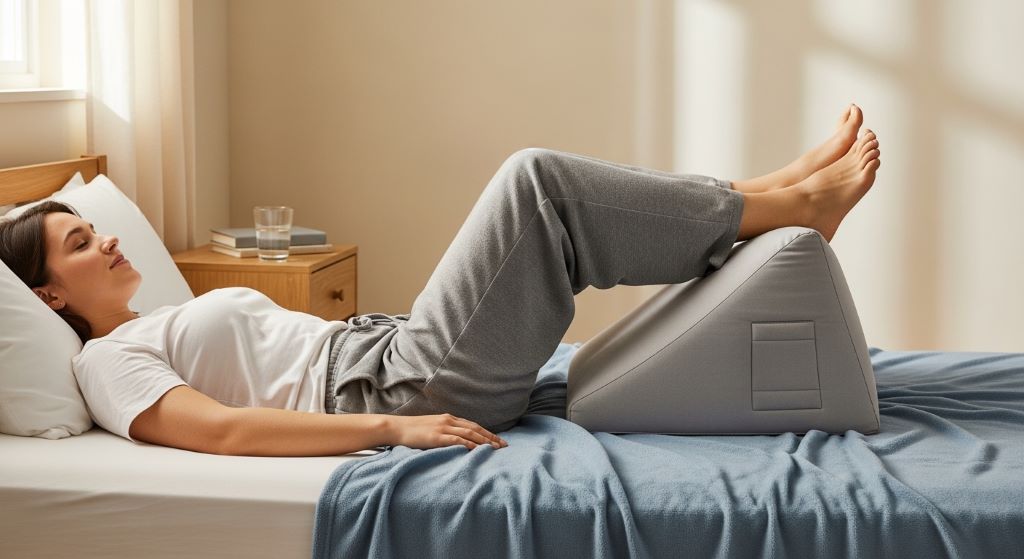
Place the wedge pillow under your calves and feet while lying on your back. The goal is to raise your legs so they are slightly above the level of your heart. This position encourages venous return and reduces fluid buildup in the lower limbs.
This method works especially well if you experience tired, heavy, or swollen legs. Use it every night for the best results. Many users notice a difference within the first few days.
Elevating the Upper Body for Breathing and Heart Health
Place the wedge under your back and shoulders so your upper body is at an angle. This position helps people who experience acid reflux, as it prevents stomach acid from traveling upward. It also opens the chest cavity and supports fuller, deeper breaths.
For those with mild sleep apnea or chronic snoring, upper body elevation keeps the airway from collapsing during sleep. This leads to more restful, oxygen-rich sleep — which is a direct support to circulation throughout the night.
Side-Sleeping With a Wedge
Some wedge pillows are designed for side sleepers. These versions support the upper arm and prevent shoulder compression. By keeping the shoulders properly aligned, blood can flow freely through the arm and into the hands.
Side sleeping with a wedge also reduces pressure on the hips. This benefits people with hip pain and anyone who tends to wake up with numb or tingling limbs.
Choosing the Right Wedge Pillow
Not all wedge pillows are equal. Choosing the right one matters if you want real, lasting results.
Angle and Height
A 30-degree angle is gentle and works well for most people starting out. A 45-degree angle provides more aggressive elevation, which suits people with more significant circulatory or respiratory issues. If you are unsure, start with 30 degrees and adjust from there.
Height matters too. Most wedge pillows range from 7 to 12 inches at their highest point. A taller wedge gives more elevation but may feel uncomfortable at first. Give yourself a week or two to adjust before switching to a different height.
Material and Firmness
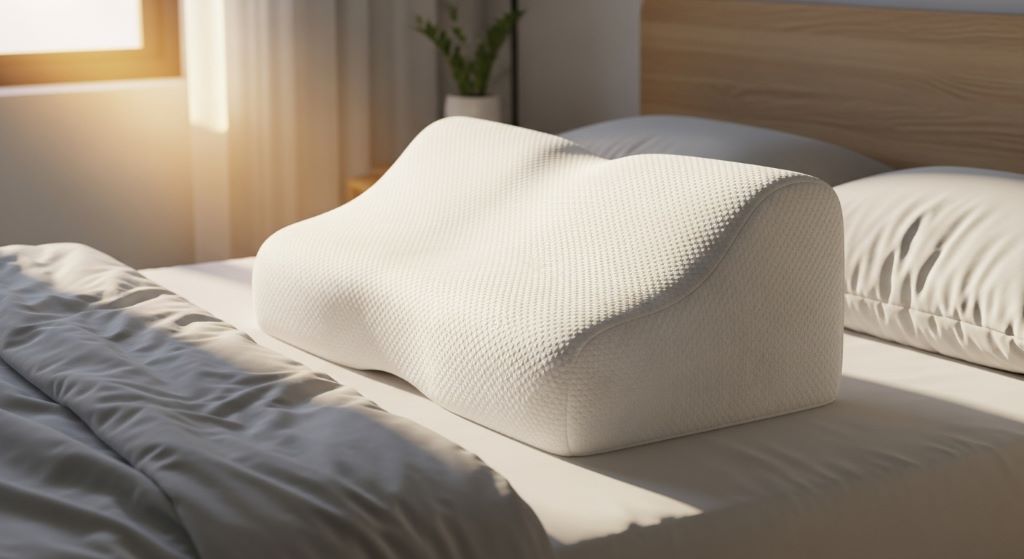
Memory foam is the most popular choice. It contours to your body shape and distributes weight evenly. However, it can retain heat, which some people find uncomfortable. Look for gel-infused or ventilated memory foam if you tend to sleep warm.
High-density foam is firmer and more durable. It holds its shape better over time and is often the material of choice in medical-grade products. For long-term use, high-density foam is usually the better investment.
Cover Quality
A removable, washable cover is a practical feature that is easy to overlook. Pillows collect sweat and skin cells over time. A washable cover keeps your sleep support pillow hygienic and extends its overall lifespan.
Additional Habits That Support Circulation During Sleep
A wedge pillow does most of the work, but pairing it with a few other habits makes a bigger difference overall.
Stay hydrated throughout the day. Blood is largely made up of water, and dehydration thickens the blood, making it harder to circulate. Drinking enough water keeps the blood at the right consistency for efficient flow.
Avoid crossing your legs while sitting. This compresses veins and slows circulation in the lower body. Over the course of a day, this builds up and makes overnight recovery more important.
Do light stretching before bed. Even five minutes of gentle movement encourages blood to move through the muscles before you settle into a fixed position for the night. Focus on the legs, hips, and shoulders — the areas most affected by prolonged sitting.
Wear compression socks during the day if your legs tend to swell. These socks apply gentle pressure that helps veins push blood back toward the heart. Combined with nightly leg elevation using a wedge pillow, they form a powerful routine for lower body circulation.
Finally, keep your bedroom cool. Your body circulates blood more efficiently when it is not overheated. A cooler sleep environment also promotes deeper sleep, which gives your circulatory system more time to recover and repair.
Common Mistakes to Avoid
Using a wedge pillow incorrectly can reduce its effectiveness. Here are a few pitfalls to be aware of.
Placing the wedge under only the feet — rather than under the calves and feet — does not provide sufficient elevation. The calves need to be supported too, so the legs are raised from the knee downward.
Stacking a regular pillow on top of a wedge to get more height can create an unstable surface and lead to neck strain. Instead, choose the right wedge height from the start.
Expecting instant results from a single night is also a mistake. Circulation improvements from positional changes happen gradually. Most people see noticeable benefits after one to two weeks of consistent use.
When to See a Doctor
A wedge pillow is a supportive tool, not a medical treatment. If you experience severe swelling, persistent numbness, leg pain at rest, or visible changes in skin color on your limbs, consult a healthcare provider.
These symptoms can signal more serious conditions such as deep vein thrombosis, peripheral artery disease, or heart-related issues. A doctor can diagnose the underlying cause and recommend a treatment plan that may include the use of a sleep support pillow alongside medical care.
Never delay medical attention in favor of a home remedy. Use the wedge pillow as a complement to professional advice, not a replacement for it.
Conclusion
A wedge pillow is one of the simplest changes you can make to improve how your body feels and functions during sleep. By using elevation strategically, it helps improve blood flow to key areas, reduces swelling, supports better breathing, and eases morning stiffness.
The key is to choose the right angle and material for your needs, use it consistently, and pair it with other healthy habits like hydration, light movement, and compression during the day. Most people begin to notice real differences within the first week or two of use.
Whether you are managing a specific condition or simply want to wake up feeling more refreshed, a wedge pillow is a practical and accessible tool that works while you sleep. It is one of those small changes that, over time, adds up to a meaningful improvement in your overall health and quality of life.
Frequently Asked Questions
Can a wedge pillow really help improve blood flow overnight?
Yes. Elevating the legs or upper body while sleeping encourages better venous return and reduces fluid pooling. This supports more efficient circulation throughout the night and can reduce swelling and stiffness by morning.
What angle is best for circulation problems?
A 30-degree angle is a good starting point for most people. Those with more significant swelling or venous insufficiency may benefit from a 45-degree angle. It is best to start lower and gradually increase elevation as needed.
Can I use a wedge pillow if I am a side sleeper?
Yes. There are wedge pillows designed specifically for side sleepers. These support the upper arm and shoulders, preventing compression that can restrict blood flow to the arms and hands during the night.
How long does it take to see results from using a wedge pillow?
Most people notice a difference within one to two weeks of consistent nightly use. Swelling tends to decrease first, followed by improvements in leg heaviness and morning stiffness.
Is a wedge pillow safe to use during pregnancy?
Generally, yes. Many pregnant women use wedge pillows to relieve leg swelling and back discomfort. However, it is always best to consult a healthcare provider before making changes to your sleep setup during pregnancy.
Related Topics:
Preventing Shoulder Pain: Lifestyle Changes and Ergonomic Tips