Safe Solutions for Medical Waste Disposal
Proper management and disposal of medical waste are vital for ensuring public safety and protecting our environment. Every day, healthcare providers generate substantial waste that can pose health risks if mishandled. Understanding the safe and effective solutions for medical waste disposal helps reduce these risks and safeguards communities from harmful exposure.
Hospitals, clinics, laboratories, and even homes equipped with medical devices must responsibly deal with their waste streams. As the volume of generated waste continues to climb, adopting best practices in handling medications, sharps, and contaminated materials makes a tangible difference for both human health and local ecosystems.
Improper disposal can contaminate water sources, soil, and air, impacting not only healthcare workers and waste handlers but also the broader community. Responsible medical waste management, therefore, requires both technological solutions and routine education for everyone involved in the waste chain.
Healthcare facilities should also recognize that correct disposal of specialized waste, such as biohazard waste, demands adherence to strict protocols to prevent accidental exposure or environmental contamination.
Understanding Medical Waste
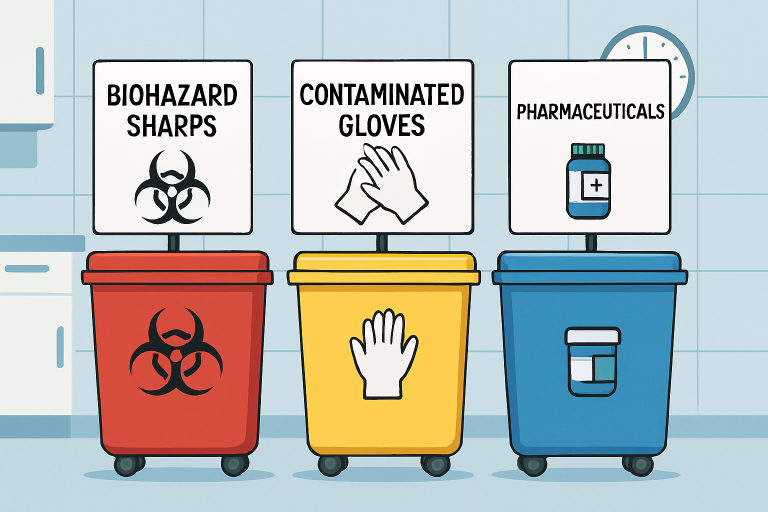
Medical waste includes any material generated during the treatment, diagnosis, or immunization of humans or animals. This broad category encompasses used needles, disposable syringes, contaminated gloves, bandages, blood-soaked materials, and expired pharmaceuticals. The United States Environmental Protection Agency (EPA) provides clear definitions and recommendations for categorizing medical waste, aiming to support safe handling and minimize health hazards. Read further on EPA guidelines for a comprehensive overview: Medical Waste | US EPA.
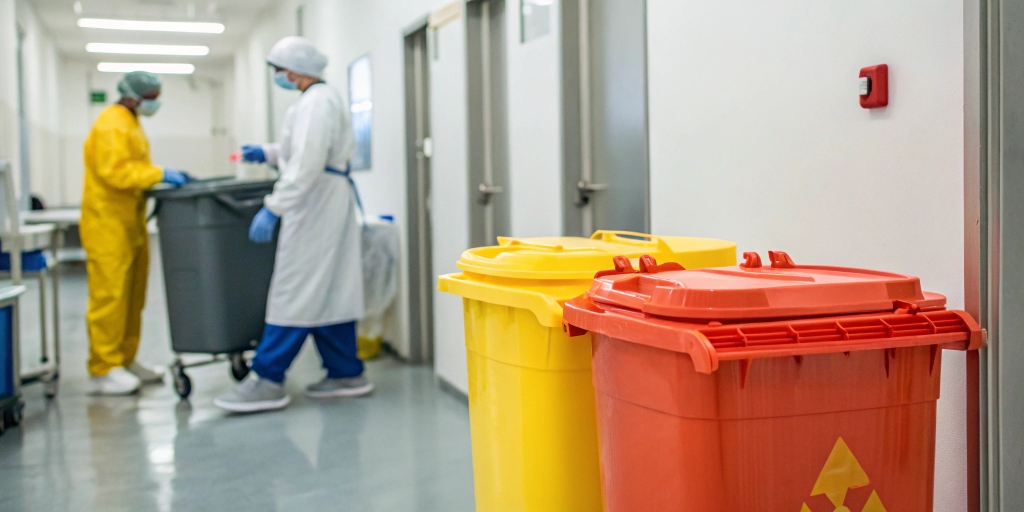
Failure to properly segregate and dispose of these materials can result in the accidental spread of infectious diseases. Not only are healthcare workers at risk, but sanitation workers and the public may also be exposed to pathogens if waste is discarded with regular trash. For this reason, strict protocols and color-coded containers are common in hospitals and clinics to ensure safety from the moment the waste is created.
Common Disposal Methods
The two most widely used methods of disposing of medical waste are incineration and landfilling. Incineration significantly reduces waste volume and destroys pathogens, making it an effective solution for hazardous waste. However, if emissions are not controlled, pollutants such as dioxins and furans can escape into the atmosphere, creating environmental concerns. Modern incinerators are equipped with filtration systems to mitigate these effects.
Landfilling is used for waste types that have been treated to remove hazardous characteristics. While this approach is cost-effective, it requires careful monitoring to avoid contamination of groundwater and soil. Healthcare facilities often rely on third-party experts to ensure their waste disposal aligns with environmental protection regulations and local ordinances.
Innovative Recycling Approaches
As sustainability becomes increasingly important, new methods have emerged that recycle or repurpose treated medical waste. For example, some companies now use advanced sterilization technologies to render medical waste plastics and metals safe for reuse in industrial applications. By diverting significant quantities of material away from landfills, the healthcare industry reduces its environmental footprint while supporting the circular economy. A well-known case involves an organization committing to recycling over 1 million pounds of medical waste, thereby setting an evolving industry standard. You can read more about these recycling efforts in coverage by reputable outlets such as BBC News.
Regulatory Compliance
Federal, state, and local governments impose strict regulations on the handling and disposal of medical waste. Compliance is non-negotiable, given the severe penalties for violations and the associated risks to public health. Notably, recent cases in the United States have led to substantial fines for companies that failed to safely dispose of sharps, including by ensuring thorough documentation, healthcare entities, and ongoing worker and community safety. For more information on compliance, major news platforms such as The New York Times provide additional insights into the intersection of medical waste management and environmental advocacy.
Best Practices for Healthcare Facilities
Healthcare providers can substantially improve their waste management systems by focusing on clear segregation of waste streams, routine staff education, and reliable partnerships with certified waste disposal companies. Implementing robust waste-tracking systems and conducting regular audits helps organizations maintain compliance, minimize inefficiencies, and adapt to changing regulations. Staff training programs tailored to specific types of waste further reduce the likelihood of accidental exposures and enable safe, ongoing operations in healthcare settings.
Community Awareness and Education
Community education plays a crucial role in safe medical waste disposal, especially for individuals who generate waste at home. For example, diabetic patients who use injection devices must know how to safely discard used sharps to prevent needle-stick injuries. Public awareness campaigns and local collection programs, such as drop-off kiosks for expired medications and sharps containers, help prevent dangerous household waste from entering regular trash streams. Encouraging community participation in safe disposal fosters a culture of health and responsibility for all.
Conclusion
The safe disposal of medical waste is a collective responsibility that protects both public health and the natural environment. Utilizing traditional disposal methods alongside innovative recycling strategies, complying with regulations, and promoting ongoing education ensures the well-being of healthcare workers, waste handlers, and our communities at large. By integrating best practices and encouraging proactive public participation, society can effectively mitigate the risks associated with improper medical waste management.