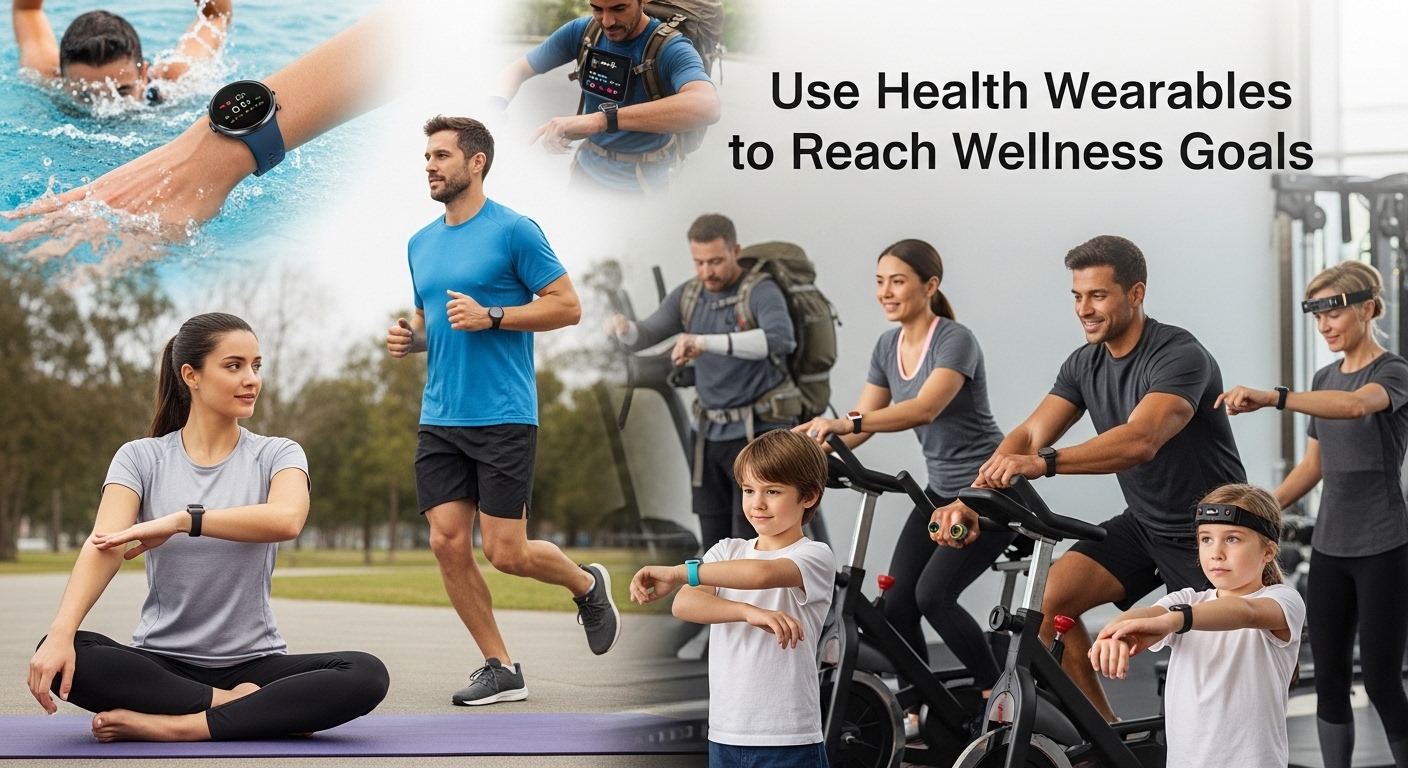
How to Use Health Wearables to Reach Wellness Goals
Most people buy a smartwatch or fitness tracker expecting instant transformation. They assume steps, sleep scores, and heart rate alerts will automatically improve health. But after a few weeks, motivation fades and the device becomes just another notification screen.
The problem is not the wearable. The problem is how people use it.
Health wearables can dramatically improve sleep, movement, stress control, and long-term fitness outcomes. However, they only work when users connect data to decisions. Without a strategy, numbers remain meaningless.
This guide explains how to turn wearable metrics into measurable progress. You will learn what to track, how to interpret signals, and how to build a realistic system that produces consistent results.
How Do Health Wearables Help Improve Wellness?
Health wearables improve wellness by tracking daily movement, sleep quality, heart rate patterns, stress signals, and activity consistency. When users review trends instead of single readings, they can adjust habits earlier, prevent burnout, improve recovery timing, and build sustainable routines that align with long-term physical and mental health goals.
Wearables provide continuous behavioral feedback. That alone changes how people interact with their bodies.
This transforms wellness from guesswork into measurable action.
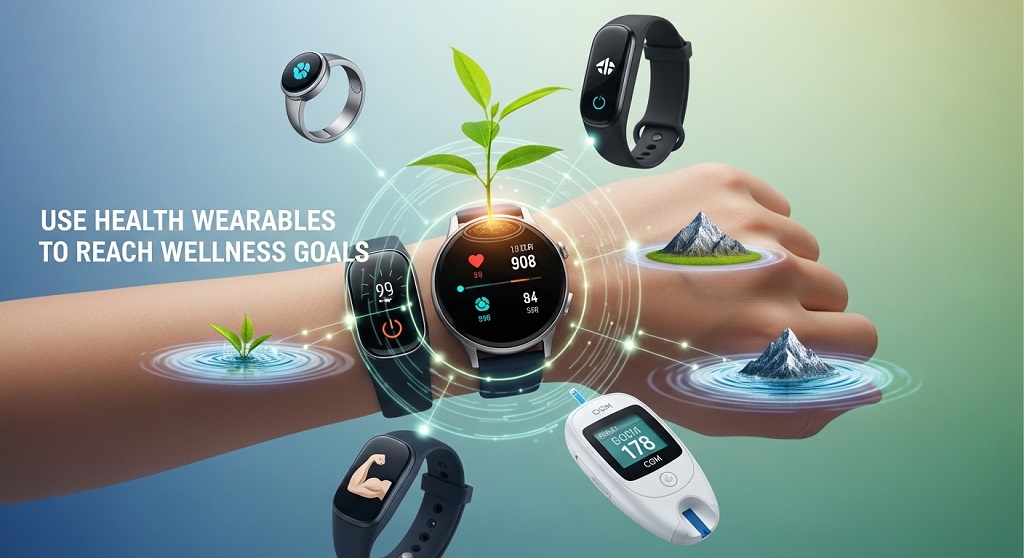
Modern wearables track:
- Steps and movement intensity
- Resting heart rate trends
- Sleep duration and stages
- Heart rate variability (HRV)
- Workout strain and recovery load
- Calories burned
- Sedentary time alerts
The key advantage is pattern recognition. Daily variation means little. Weekly trends reveal behavior change opportunities.
For example, rising resting heart rate often signals fatigue before illness appears. Lower HRV may indicate stress overload. Short sleep cycles reduce exercise recovery capacity.
Wearables make invisible signals visible. That awareness drives smarter decisions.
Why Do Most People Fail to Benefit from Wearables?
Most users fail with wearables because they track too many metrics, check data inconsistently, ignore trends, and never connect readings to behavior changes. Devices provide information, but without clear goals and action rules, numbers become noise instead of guidance.
Many people stop using wearables within three months. Research repeatedly shows engagement drops when users lack structure.
Common mistakes include:
- Checking metrics without interpreting them
- Comparing results to others instead of personal baselines
- Focusing only on step counts
- Ignoring recovery signals
- Setting unrealistic targets
Wearables are decision tools. They are not motivation machines.
For example, tracking sleep but continuing late-night screen use prevents improvement. Monitoring heart rate without adjusting exercise intensity limits benefit.
The solution is linking every metric to a behavioral response rule.
Example:
- If sleep score drops below target, reduce workout intensity
- If sedentary alerts increase, add walking breaks
- If HRV drops, prioritize recovery day
This turns passive tracking into active health management.
Which Metrics Matter Most for Wellness Goals?
The most important wearable metrics for wellness include daily step count, resting heart rate trends, sleep duration, sleep consistency, heart rate variability, and active minutes per week. These indicators reflect recovery status, cardiovascular health, stress balance, and long-term activity sustainability.
Not every metric deserves equal attention.
Users often focus on calories burned because the number is visible. However, recovery signals are stronger predictors of long-term health improvement.
| Metric | Why It Matters | Best Use Case |
|---|---|---|
| Steps | Tracks movement consistency | Daily activity baseline |
| Resting Heart Rate | Indicates cardiovascular fitness | Recovery monitoring |
| Sleep Duration | Supports hormone balance | Energy optimization |
| HRV | Measures stress resilience | Training adjustment |
| Active Minutes | Shows exercise intensity | Weekly fitness planning |
Tracking fewer metrics improves consistency.
A simple strategy works best:
- Movement for activity
- Sleep for recovery
- Heart rate for fitness adaptation
These three categories cover most wellness outcomes.
How Can You Turn Wearable Data Into Daily Action?
You can turn wearable data into action by creating threshold-based decisions. Define target ranges for sleep, steps, and recovery signals. When readings fall outside those ranges, adjust workouts, rest periods, hydration, or stress exposure immediately instead of waiting for long-term decline.
Data only matters when it triggers action.
Start by setting baseline numbers from your first two weeks of tracking. These reflect your natural behavior patterns.
Then define response rules.
Example system:
- Below 6 hours sleep → delay intense workouts
- Low HRV trend → add recovery walk
- Low steps → add evening movement session
- High resting heart rate → prioritize hydration
This approach removes guesswork.
Instead of reacting emotionally, users respond logically to signals.
Consistency improves because decisions become automatic.
How Should You Set Realistic Goals Using Wearables?
Realistic wearable goals should increase gradually based on baseline performance rather than ideal targets. Raising steps by 10 percent weekly, improving sleep timing consistency, and stabilizing resting heart rate trends produces sustainable progress without burnout or motivation loss.
Many users fail because they choose extreme targets immediately.
Example mistakes include:
- Jumping from 4,000 to 12,000 steps daily
- Training intensely without recovery tracking
- Changing sleep schedule overnight
Gradual adjustment works better.
Use this progression model:
- Measure baseline week
- Add small improvement target
- Maintain for two weeks
- Increase slightly again
This builds habit stability.
Wearables reward consistency more than intensity.
Can Wearables Improve Sleep and Stress Levels?
Wearables improve sleep and stress control by identifying irregular sleep timing, elevated nighttime heart rate, and reduced heart rate variability. These signals help users adjust routines earlier, improving recovery quality, emotional regulation, and long-term energy stability.
Sleep tracking is one of the most valuable wearable features.
Many people underestimate how irregular schedules affect energy levels.
Wearables highlight:
- Sleep duration deficits
- Late bedtime patterns
- Frequent awakenings
- Recovery score decline
Stress monitoring works similarly.
Heart rate variability reflects nervous system balance. Lower HRV often signals overload before fatigue becomes noticeable.
Users can respond by:
- Reducing evening screen exposure
- Scheduling walking breaks
- Adding breathing exercises
- Improving hydration timing
Small changes create large recovery improvements.
How Often Should You Review Wearable Data?
You should review wearable data daily for behavior awareness and weekly for trend analysis. Daily checks guide immediate adjustments, while weekly summaries reveal whether activity, sleep, and recovery patterns are improving or declining over time.
Checking too frequently reduces clarity.
Checking too rarely reduces usefulness.
The best system combines both short-term and long-term review.
Daily review helps answer:
- Did I move enough today?
- Did I sleep enough last night?
- Is my recovery strong?
Weekly review answers:
- Am I improving consistently?
- Is stress accumulating?
- Are workouts effective?
This structure creates accountability without obsession.
How Do You Build a Long-Term Wearable-Based Wellness System?
A long-term wearable wellness system combines baseline tracking, gradual habit upgrades, weekly trend reviews, and automatic adjustment rules. This approach transforms raw health data into a structured feedback loop that improves energy, fitness consistency, sleep quality, and resilience over time.
Long-term success depends on simplicity.
Instead of chasing perfect scores, track stable improvement trends.
Build a repeatable structure:
- Track baseline behavior
- Select three priority metrics
- Set weekly adjustment rules
- Review progress monthly
- Refine targets gradually
This converts wearable devices into personal health dashboards.
Over time, patterns become predictable. That predictability supports smarter decisions and reduces burnout risk.
Conclusion: Turning Wearable Data Into Real Results
Health wearables do not improve wellness automatically. They improve awareness.
Real progress happens when awareness leads to action.
By focusing on movement consistency, sleep quality, and recovery signals, users can create a structured feedback loop that supports long-term health improvement.
The most effective strategy is simple. Track fewer metrics. Review trends weekly. Adjust behavior immediately when signals change.
If used correctly, wearables become powerful decision tools rather than passive trackers.
Start by choosing three metrics today. Build response rules around them. Review your weekly trends. Small adjustments repeated consistently produce measurable transformation.
Frequently Asked Questions
Are health wearables accurate enough for wellness tracking?
Most modern wearables provide reliable trend-level accuracy for steps, sleep duration, and heart rate patterns. While they are not medical diagnostic tools, they are highly effective for identifying behavioral changes and monitoring long-term wellness progress.
How many steps per day should a wearable user aim for?
A target between 7,000 and 10,000 daily steps supports cardiovascular health and movement consistency. However, users should increase gradually from their baseline rather than jumping immediately to higher targets.
Is heart rate variability important for beginners?
Yes. HRV helps identify stress and recovery balance. Even beginners benefit from tracking trends because declining HRV often signals fatigue before symptoms appear.
Can wearables help with weight management?
Wearables support weight management by tracking movement consistency, activity intensity, and sleep quality. These three factors influence metabolism, appetite regulation, and exercise sustainability.
Should wearable users track calories burned?
Calories burned estimates can guide activity awareness, but they are less reliable than movement trends and sleep metrics. Users should treat calorie numbers as supporting indicators rather than primary targets.
How long does it take to see results using wearables?
Most users notice measurable improvements in movement consistency and sleep patterns within three to four weeks when they adjust habits based on wearable feedback instead of only monitoring numbers.
Do expensive wearables produce better wellness outcomes?
Higher-priced wearables may include advanced sensors, but outcomes depend more on consistent usage and behavior adjustment than device cost. Even basic trackers can produce strong wellness improvements when used strategically.
Read More Also: How to Create a Workplace Ergonomics Guide for Healthier Teams
Learn More: Best Places To Go Around Llandudno (Within 30 minutes by car)