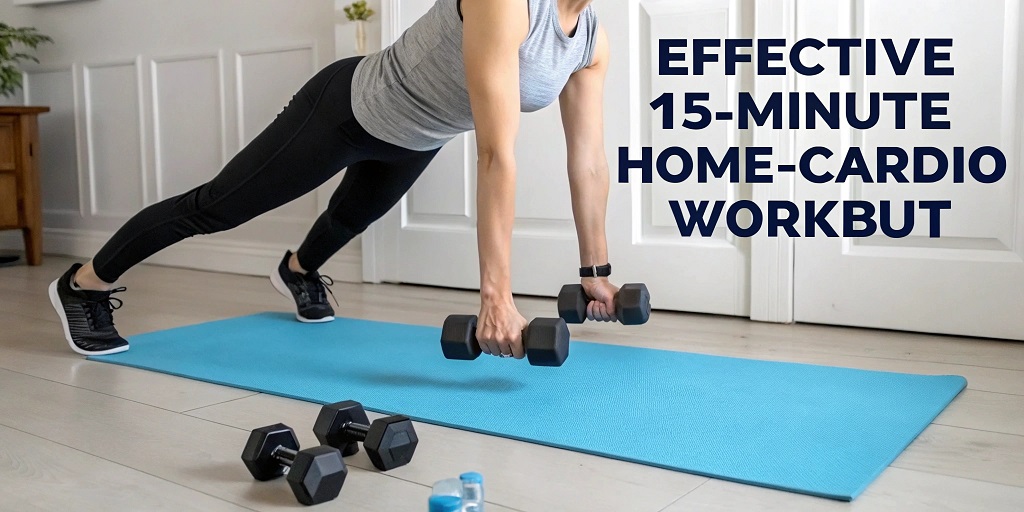
Your Busy Day, Maximized: How to Make Short Workouts Count with Effective 15-Minute At-Home Cardio
Key Takeaways
- Short, regular workouts offer genuine cardiovascular and mental health benefits that accumulate over time.
- Intensity and consistency matter more than duration for most people’s fitness and wellness goals.
- Adaptable routines enable everyone, regardless of their fitness level or available space, to stay active from the comfort of their own home.
- Growing research supports the effectiveness of brief, focused exercises, such as HIIT, for improving heart health and endurance.
- Leading organizations recommend safe, at-home exercise, and any movement is a positive step for long-term health.
Why Short Cardio Sessions Work Wonders
Modern life is often rushed, with family, work, and social obligations squeezing out the time many hope to dedicate to their health. The old notion that only long gym sessions yield results is no longer accurate, given current scientific research. What people need today is an efficient, energizing solution. For many, a quick home cardio routine delivers, proving it’s possible to support cardiovascular fitness, burn fat, and lift mood without investing hours per week.
The real benefit of short, structured workouts is that they can be easily incorporated into a busy day. They’re ideal for parents catching a moment between school pick-ups, professionals squeezing in movement between meetings, or anyone struggling to get started with fitness. Regular 15-minute sessions can lead to significant improvements in heart health, cognition, and emotional resilience. Choosing a quick home cardio routine doesn’t just make exercise more manageable; it also makes sticking with it more likely, transforming sporadic activity into a sustainable habit.
Making Home Cardio Convenient and Fun
Working out at home can remove the common barriers that keep people sedentary, such as the need for travel, gym fees, and waiting for equipment to become available. All that’s needed is a clear patch of floor, a towel, a pair of sneakers, and a favorite playlist or podcast to add motivation and make the experience enjoyable. Many people prefer working out at home because it allows exercise to occur at any time, whether early in the morning, during lunch, or right before bed.
Creating a simple and welcoming space for movement can make transitioning into workout mode easier. Using tools like interval timers on a phone or music with upbeat tempos adds structure and focus to each session. Setting up cues, like keeping workout clothes in sight or marking the calendar for exercise time, helps transform fleeting good intentions into consistent habits. Home cardio is also adaptable: staircases, sturdy chairs, and resistance bands can change up routines and keep workouts fresh. This versatility means anyone can tailor exercise to their preferences, making fitness more enjoyable and certainly more attainable.
The Science Backs Short Workouts
Decades of research once focused on hour-long sessions for optimal fitness, but flexible and innovative approaches have changed expert thinking. The popularity of high-intensity interval training (HIIT) is a result of growing evidence that time-efficient exercise can lead to powerful results. According to recent research on quick workouts, even 10 to 15 minutes of moderate-to-vigorous activity, performed several times per week, can significantly improve aerobic capacity, metabolism, and heart health.
In these routines, brief bursts of intense work are alternated with short rest periods, allowing individuals to safely push their limits. This pattern not only supports fat loss and endurance but also boosts the body’s natural production of endorphins, neurochemicals responsible for the famous “runner’s high.” Many people find short sessions easier to stick with over time, showing that shorter but consistent routines can indeed rival longer workouts. These findings are making fitness more accessible for people of all backgrounds and lifestyles.
15-Minute Cardio Blueprint Anyone Can Follow
- Start with a 2-minute warm-up that might include light jogging in place, arm circles, or side steps. This phase prepares your muscles and joints, increases blood flow, and gently raises your heart rate, making the rest of the routine safer and more productive.
- Alternate 30 seconds of jumping jacks with 30 seconds of rest, repeating 3 times. Jumping jacks activate your legs, arms, and core, providing a total-body challenge while boosting cardiovascular activity.
- Follow with 30 seconds of high knees and then 30 seconds of planking, repeating this set 2 times. High knees engage the core and build leg strength, while planks stabilize the core and improve posture.
- Dedicate 1 minute to shadow boxing or quick punches, maximizing effort and coordination. Fast-paced arm work is an excellent way to increase your heart rate and break a sweat.
- Conclude with 2 minutes of stretching to enhance flexibility and promote muscle recovery. Focus on your hamstrings, calves, and arms to round out the session.
This routine can be customized with easier options, such as stepping instead of jumping, or made more challenging by increasing intensity or repetitions. If you’re new to exercise, start at a slower pace, and gradually add more difficult moves as your confidence and capability grow. The structure is simple but effective, supporting both beginners and fitness enthusiasts in building a sustainable practice.
Why Consistency Beats Perfection
Despite all the fitness fads that promise quick results, health experts and organizations remain steadfast in recommending regular, manageable activity. Adults aim for at least 150 minutes of moderate activity each week, but also emphasize that “some is better than none.” A 15-minute cardio routine can serve as a building block, particularly for those new to exercise or those with demanding schedules.
- Create goals that are realistic and measurable, such as completing three 15-minute routines each week, to help foster accountability and motivation.
- Track your progress by writing workouts in a journal or using fitness apps to build motivation and visualize your improvement.
- Celebrate every completed session. The more consistent you are, the more likely you are to keep moving forward.
- Involve a friend, workout buddy, or family member for encouragement and added fun.
The power of habit shouldn’t be underestimated. Over time, what begins as a brief daily or every-other-day practice can evolve into a pillar of your wellness, enhancing energy, improving sleep, lowering stress, and supporting mental clarity.
Cardio for Every Fitness Level and Life Stage
Adaptability is crucial for fostering safe progress in fitness, regardless of an individual’s age or experience level. For beginners, it’s essential to tailor workouts to their current capabilities by reducing intensity and swapping high-impact movements for gentler alternatives. For instance, rather than performing high-impact jumps, they can step in place to minimize strain on the joints. Additionally, opting for knee push-ups instead of full push-ups can help them build strength without risking injury. Adjusting rest intervals to allow for more recovery time is another effective strategy to ensure workouts remain manageable and enjoyable.
The capacity to modify each exercise makes these short routines incredibly inclusive and promotes sustainability for long-term health. This inclusivity encourages a diverse range of participants to engage in physical activity, enhancing community wellness.
For individuals with specific health concerns or unique physical needs, it’s highly advisable to consult a qualified health professional before embarking on a new fitness program. This initial step can help tailor recommendations to individual circumstances, ensuring safety and effectiveness. Fortunately, a vast array of safe and enjoyable exercise options is available, providing similar health benefits. Gentle dance steps, low-impact aerobics, or water-based exercises are excellent choices that cater to a wide range of abilities and preferences. As fitness levels improve, implementing small, gradual increases in effort — such as adding more exercise minutes, introducing an extra set of repetitions, or incrementally intensifying movements — can effectively maintain momentum and prevent plateaus in overall fitness. This strategic approach not only keeps the routines fresh and engaging but also encourages consistent progress over time.
Bringing It All Together for Lifelong Health
Maintaining a healthy, active lifestyle doesn’t necessarily mean spending hours at the gym every day or sticking to rigid, monotonous routines that can sometimes feel discouraging or overwhelming. Instead, by carving out just 15 minutes for a quick, targeted home cardio routine, people of all walks of life, whether busy parents juggling work and family, professionals with tight schedules, or students balancing studies, which can take proactive steps toward improving their overall heart health, boosting their mental energy, and enhancing emotional well-being. The growing body of research, countless stories from individuals with hectic lives, and the recommendations from leading health and fitness experts all point to one clear and encouraging truth: consistency and effort matter most, regardless of how much time you think you have available. Whether you’re just starting to get active or if you’re looking to revamp and energize your current workout routine, embracing a short, effective, and manageable home workout can be both liberating and truly transformative. Remember to aim for effort over perfection, celebrate small wins along the way, and enjoy the wide-ranging benefits that extend far beyond the workout itself. These benefits can positively impact your daily life, mood, energy levels, and sense of overall well-being.