Responsible Firearm Ownership in North Carolina: Laws, Training, and Community Safety
Key Takeaways
- Understanding North Carolina’s firearm laws is essential for responsible ownership.
- Proper training enhances safety and proficiency in firearm handling.
- Community initiatives like NC S.A.F.E. promote safe storage and reduce firearm-related incidents.
Understanding North Carolina’s Firearm Laws
Ownership of firearms in North Carolina requires a solid grasp of state laws, which have evolved considerably in recent years. For individuals researching guns, whether for personal safety, sport, or collection, North Carolina makes it straightforward yet holds owners to high standards of responsibility. As of March 2023, the requirement to obtain a pistol purchase permit was repealed, simplifying the process of acquiring handguns. However, all firearm buyers from licensed dealers must still pass federal background checks, maintaining a necessary layer of safety and oversight.
Laws regarding the possession, carrying, and transport of firearms are strictly enforced. Open carry is permitted in most public places statewide, while concealed carry requires a permit, training, and a thorough background investigation. Residents must stay informed about local ordinances, which can vary from city to city. Keeping up with these details ensures compliance and fosters a culture of responsible ownership.
Alongside legislative requirements, lawful ownership is of utmost importance. Firearms come with inherent risks if not handled or stored properly. Authorities in North Carolina continue to educate the public on these laws, emphasizing that legal compliance is only one part of responsible firearm ownership.
For those new to firearm ownership, familiarizing oneself with where and how firearms may be legally used in the state is equally crucial. Many individuals seek out dedicated spaces, such as a range, to practice safe handling or improve their marksmanship under supervised conditions.
The Importance of Firearm Training
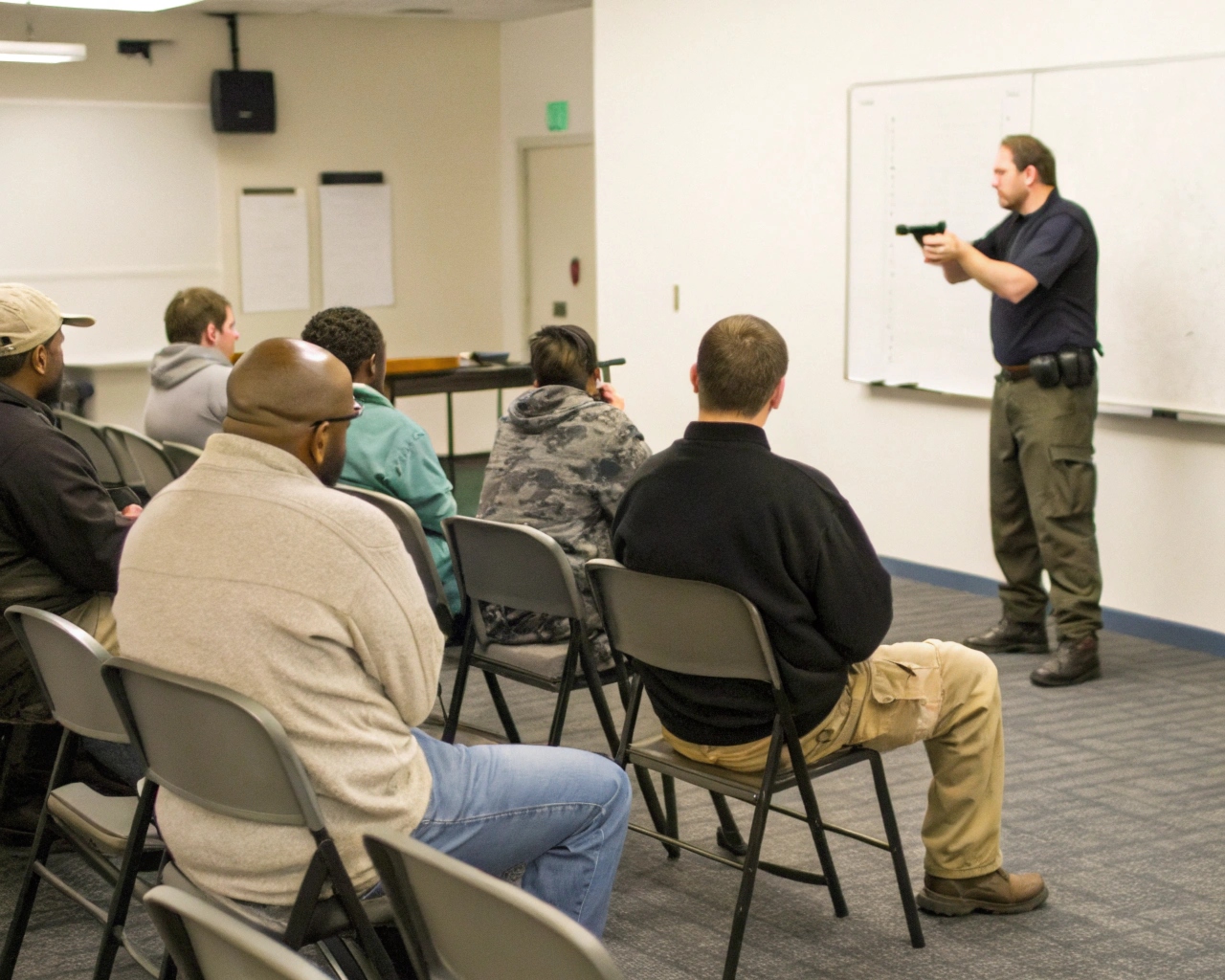
Comprehensive training stands as one of the pillars of responsible firearm ownership. In North Carolina, several organizations and certified instructors offer courses designed to familiarize individuals with safe handling, storage, and use of guns. Proper training is not just recommended; for concealed carry permits, it is required by law. These courses typically address fundamental topics, including:
- Safe handling and operation of firearms
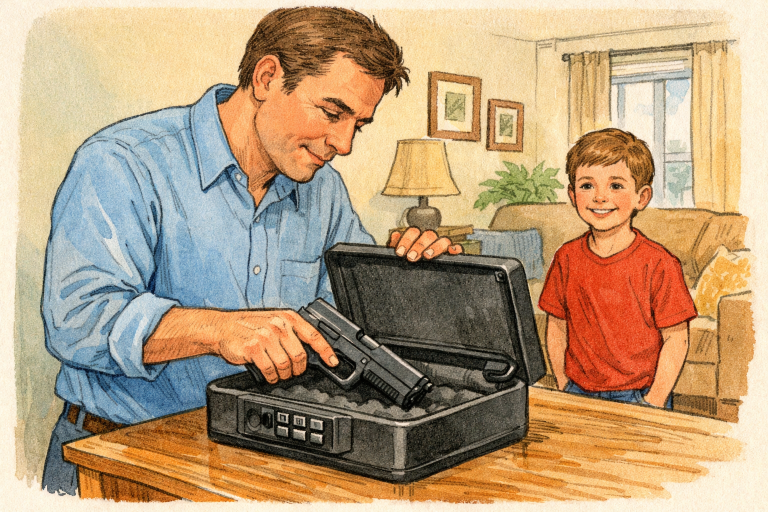
- Effective and secure storage methods
- State and federal legal obligations for owners
- Risk reduction strategies for preventing unauthorized access or accidents
Participating in these training opportunities can dramatically reduce the risk of accidental injury or misuse. Many experts recommend regular refreshers and ongoing education to stay current with best practices and legislative changes.
Community Initiatives Promoting Safe Storage
Addressing gun safety collectively benefits both individuals and communities. In North Carolina, public programs like NC S.A.F.E. (Secure All Firearms Effectively) raise awareness of the importance of safe gun storage. Launched by the North Carolina Department of Public Safety, NC S.A.F.E. provides resources, community outreach, and practical tools to help gun owners prevent unauthorized access, especially among children and at-risk individuals.
This initiative exemplifies a broader movement toward responsible ownership, with educational campaigns fostering a culture where safety and accountability are paramount. The resources provided by these programs, ranging from secure storage solutions to public information sessions, are designed to accommodate gun owners of all experience levels.
Those interested in learning more about safe storage practices and community initiatives may visit the North Carolina Department of Public Safety Gun Safety page for authoritative guidance.
Legal Implications of Unsafe Storage
Failing to securely store a firearm can have significant legal repercussions in North Carolina. State statutes hold gun owners liable should a minor access an unsupervised weapon, leading to injury or worse. North Carolina courts have made it clear that owners are expected to take all reasonable measures to prevent such tragedies.
Recent legal cases underscore the complexities of these laws. For example, there are cases where convictions were overturned due to nuances in the legal definitions around whether a gun was loaded or how accessible it was at the time of an incident.
Resources for Responsible Gun Ownership
Reliable resources are indispensable for anyone committed to safe and legal firearm ownership. The North Carolina Department of Public Safety offers detailed guides on storage, mandatory training, and the legal framework for ownership. Similarly, NC S.A.F.E. continues to be a leading source of practical advice and educational material, equipping residents with the knowledge to prevent accidents and unauthorized use of firearms.
National organizations, including the National Shooting Sports Foundation and the National Rifle Association, also provide a wealth of resources, from safety tips to details about gun storage requirements in different states. Exploring these resources empowers gun owners to stay up to date on best practices in safety and compliance.
Engaging with Local Communities
Engagement at the community level is vital for reinforcing responsible ownership across the state. By attending firearm safety programs, open forums, or local training events, individuals can exchange insights, stay up to date on evolving laws, and help foster mutual accountability among gun owners. These local initiatives are especially valuable for new owners or those who want to support ongoing efforts to reduce firearm-related incidents.
Communities benefit when individuals take the initiative to promote well-informed, secure gun ownership. By participating in these conversations and programs, residents contribute to the collective safety and well-being of North Carolina’s diverse communities.
Conclusion
Responsible firearm ownership in North Carolina is a multifaceted commitment. It means understanding and obeying the law, seeking comprehensive training, and participating in community initiatives that emphasize safety and accountability. By focusing on education, secure storage, and ongoing engagement, gun owners play a vital role in maintaining a safer environment for every resident.