
Peptides: Small Molecules with Big Health Benefits
Key Takeaways
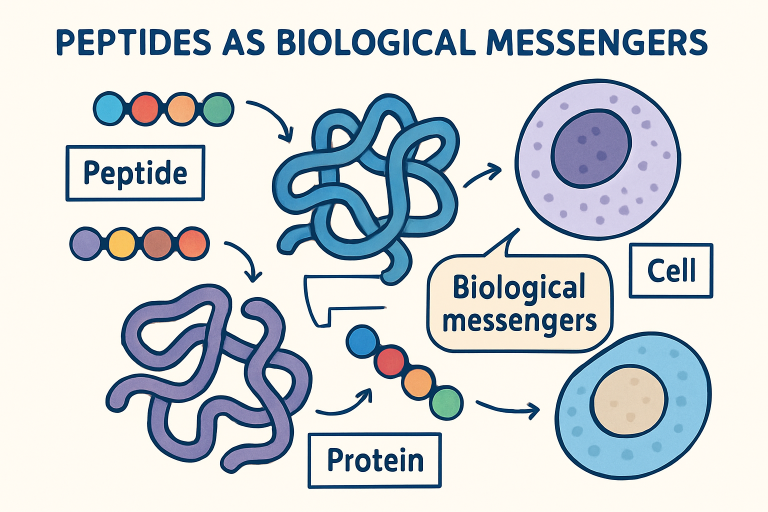
- Peptides are short chains of amino acids that act as biological messengers in the body.
- They support essential functions, including tissue repair, immune response, and metabolism.
- Adding peptide-rich foods to your diet may boost overall wellness and help prevent some health concerns.
Peptides, which are short chains of amino acids, have become a focal point in health and wellness circles for their promising role in supporting the body’s natural processes. These small but powerful molecules act as biological messengers, helping to regulate everything from tissue repair to immune system function. Curiosity about peptides and their many potential benefits is at an all-time high, with both scientific research and consumer interest on the rise.
By facilitating vital communications within the body, peptides play an essential role in maintaining overall well-being. What sets them apart from their longer-chained cousins (proteins) is their specificity and ability to target unique physiological pathways, leading not only to therapeutic uses but also to preventive wellness strategies. With ongoing studies linking peptide consumption and supplementation to improvements in metabolic, immune, and tissue functions, there’s much to explore in their application.
The market for peptide-based skincare and supplements continues to grow, and people are looking for ways to support their energy, cognition, and longevity by integrating peptides into their routines. As we learn more about how peptides directly and indirectly support our health, the importance of understanding the science and the safe, effective ways to benefit from it becomes clear.
Men’s health is another fast-evolving field related to peptide science, especially in areas such as energy levels, hormone balance, and erectile dysfunction treatment. Staying informed about peptide therapy options and their scientifically supported benefits may be especially helpful for those seeking targeted solutions for specific health challenges.
Understanding Peptides
Peptides are composed of two or more amino acids linked by peptide bonds, forming short yet highly functional chains. Unlike large protein molecules, which can be complex and slow-acting, peptides target specific pathways, resulting in rapid and targeted biological effects. This unique nature makes them a central topic in both preventative and therapeutic health sciences.
One of the distinguishing features of peptides is their versatility. While some naturally occur within our bodies to regulate vital functions such as the release of growth hormones, others are derived from the foods we eat. They can regulate neurological activity, stimulate tissue healing, or modulate the immune response, making them valuable for a range of health concerns.
Health Benefits of Peptides
- Tissue Repair: Research shows that certain peptides can accelerate wound healing by boosting collagen synthesis and moderating inflammation. As reported by Healthline, collagen peptides are especially well-known for their tissue repair benefits and skin-enhancing properties.
- Metabolic Regulation: Peptides like insulin are critical in the management of blood sugar, while other peptides may help in regulating fat metabolism or appetite.
- Immune Support: Several peptides have immunomodulatory effects, potentially improving the body’s defense against infections and reducing autoimmune responses.
Dietary Sources of Peptides
It’s possible to support your body’s peptide levels through diet. Foods rich in peptides include:
- Fish and Shellfish: Marine sources are rich in collagen peptides that support both the skin and joints.
- Legumes: Beans and lentils contain unique peptides that have shown potential to improve cholesterol and regulate blood pressure.
- Whole Grains: Oats, quinoa, and other grains contain bioactive peptides that enhance digestive health and glucose management.
For more details on how peptides in food support health and longevity, see the informative article “Tiny but Mighty: How Peptides in Food Support Health and Longevity.”
Peptides in Skin Health
Skincare has embraced peptides as potent ingredients, especially for anti-aging products. Collagen peptides, when applied topically or taken orally, can help maintain skin’s firmness by stimulating collagen production internally. Users report better hydration, improved elasticity, and a visible reduction in fine lines with regular use of quality peptide products. According to experts at SELF Magazine, these compounds work best in synergistic formulas, so it’s wise to select products with scientifically backed ingredient lists.
Peptides and Immune Support
Certain peptides, such as Thymosin Alpha-1, are being studied for their immune-boosting properties. These peptides may help modulate immune system activity, improving the body’s resilience to common infections like colds and flu and helping regulate inflammation. As immune system dysregulation can underlie many chronic illnesses, peptides represent a promising therapeutic avenue.
Peptides in Cognitive Function
Research shows that some peptides, particularly those that cross the blood-brain barrier, may help protect brain cells from oxidative stress and support neuronal communication. Their involvement in neuroprotection means peptides could aid in memory retention, focus, and even mood stability. While more studies are needed, early evidence suggests a strong link between peptide supplementation and cognitive performance.
Considerations and Safety
While available evidence highlights the significant benefits of peptides, it’s essential to proceed cautiously with supplements or injectable forms. The FDA has expressed concerns about the proliferation of unapproved peptide therapies, often promoted without robust scientific backing. These unregulated products may pose risks, including allergic reactions, hormonal imbalances, and contamination.
To ensure safety and effectiveness, always consult with a healthcare professional before starting any new supplement or therapy involving peptides.
Conclusion
Peptides are pivotal to many biological systems and have been shown to deliver diverse health benefits, from enhancing skin vitality to supporting optimal immune function and beyond. Including peptide-rich foods in your meal plan is a practical and natural way to optimize these benefits, while always ensuring medical oversight for supplements. As interest and research continue to grow, peptides are likely to remain on the cutting edge of holistic and integrative medicine.