Healthy Smiles: Habits and Trends for Long-Lasting Oral Wellness
Key Takeaways
- Consistent oral hygiene routines create the foundation for sustained dental health.
- Emerging technologies are revolutionizing how we care for our teeth and gums.
- Holistic approaches recognize the deep connection between oral health and general well-being.
- Preventive care and timely professional visits avert problems before they escalate.
- Sustainable practices are becoming integral to ethical, eco-conscious dental care.
Maintaining a radiant, healthy smile in today’s world involves much more than just brushing and flossing. A beautiful, long-lasting smile results from integrating evolving scientific insights, recent technological breakthroughs, and lifestyle choices that collectively support oral health. While brushing and flossing remain essential, the latest research highlights the significant impact of nutrition, mindfulness, technological advancements, and sustainable choices on dental and overall well-being. To thrive on your oral health journey and stay abreast of the advanced dental solutions Marion provides for modern patients, it’s wise to consult trusted local experts and authoritative resources. This comprehensive article explores both traditional habits and modern trends, equipping you with actionable strategies for vibrant teeth and gums—now and in the future.
Consistent Oral Hygiene: The Foundation of Dental Health
Every healthy smile begins with a consistent, thorough oral hygiene routine. The “2-1-2 Rule”—brushing twice a day, flossing once, and scheduling two dental visits each year—remains a gold standard recommended by dentists. Brushing with a fluoride toothpaste loosens and removes plaque that can lead to decay and gum disease, while flossing each day ensures that food particles and bacteria don’t accumulate between teeth or beneath the gumline, where a toothbrush cannot reach. Beyond these basics, professional cleanings catch what at-home care may miss, allowing for early detection of issues such as gum inflammation, tooth decay, or even oral cancers. As highlighted by the Mayo Clinic in their dental health guide, these preventive measures are essential for maintaining both oral and overall health. For optimal results, dental professionals encourage a personalized home-care routine, adjusting techniques for those with braces, dental implants, or sensitive enamel. Replacing your toothbrush every three to four months—or sooner if the bristles are frayed—ensures that your oral care tools remain effective. Remember, brushing with excessive force can cause enamel erosion and gum irritation; therefore, a gentle, circular motion with a soft-bristled brush is recommended.
Above all, the relationship you cultivate with your dental team is invaluable, providing you with access to the most current, evidence-based recommendations tailored to your specific needs. Staying proactive with your daily routine and collaborating with professionals sets the stage for lifelong oral wellness.
Technological Advancements in Oral Care
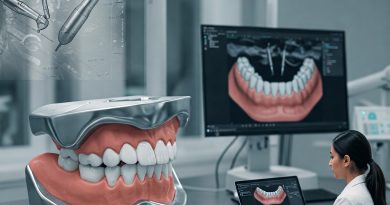
We are living in a digital age where technology is transforming every aspect of our lives, including dental care. Smart toothbrushes now utilize built-in sensors, timers, and companion apps to guide users toward better technique, providing instant feedback and reminders to cover every area of the mouth for the ideal two minutes. This real-time data is invaluable for those seeking to perfect their regimen and for parents monitoring children’s brushing habits. Meanwhile, teledentistry has revolutionized access to oral healthcare, enabling remote consultations with experts for everything from simple check-ups to complex treatment planning and management. This advancement is particularly pivotal for those in rural communities or those facing mobility or time constraints who would otherwise forgo necessary care.
Perhaps most significantly, artificial intelligence (AI) is ushering in a new era of precision diagnostics. AI-driven software analyzes dental radiographs and images, identifying subtle signs of tooth decay, bone loss, or early symptoms of oral disease long before they become visible to the naked eye or manifest as discomfort. These systems not only increase accuracy but also reduce diagnostic time, making prompt intervention possible.
Benefits for Patients
- Improved outcomes: With earlier detection, many dental issues can be addressed with less invasive and more affordable treatments.
- Greater convenience: Virtual appointments reduce travel and waiting times, accommodating even the busiest schedules.
- Personalization: Both at-home and professional technologies help patients focus on trouble spots and track their improvements, supporting the development of lasting healthy habits.
Holistic Approaches to Oral Wellness
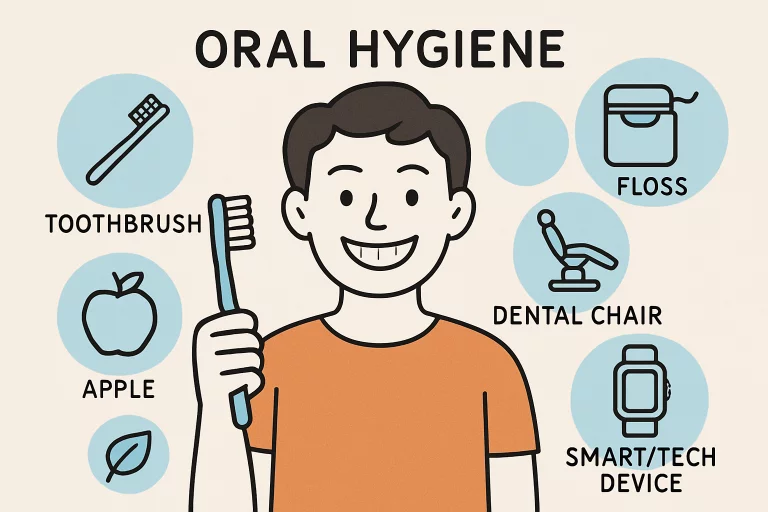
Today’s dental professionals are increasingly recognizing the mouth as an integral part of the body’s overall health. Holistic oral wellness means caring for the full self—physical, emotional, and environmental—when making dental decisions. Many are turning to natural-ingredient products, selecting toothpastes and rinses with coconut oil, xylitol, tea tree oil, or activated charcoal. These aims are to reduce synthetic chemicals, limit exposure to potentially irritating substances, and provide additional health benefits. The foods you eat also play a direct role in oral health. Crunching on fresh fruits and vegetables, such as carrots, apples, and celery, can gently clean your teeth while providing vital nutrients. A balanced diet rich in leafy greens, lean proteins, and dairy supports gum health and increases your natural resistance to infection.
Minimizing Stress for Oral Health
Oral wellness encompasses more than diet and hygiene—managing stress is also crucial. Chronic stress can manifest as teeth grinding or jaw clenching, damaging enamel and causing jaw pain or headaches. Practices such as mindfulness, yoga, and deep breathing not only reduce anxiety but also physically relax the jaw, ease facial tension, and contribute to improved sleep and overall wellness. Staying mindful about your body’s signals—and discussing stress-related habits with your dentist—creates a holistic, proactive approach to oral care.
Preventive Care: A Proactive Approach
Prevention truly is the best medicine when it comes to oral health. A proactive plan emphasizes professional cleanings, oral exams, and protective treatments, rather than waiting for problems to arise. Dental sealants, often applied to children’s and teens’ molars, prevent cavities in vulnerable grooves, while fluoride treatments strengthen enamel against bacterial acid attacks. Educating both children and adults about proper brushing, flossing, dietary choices, and habits such as smoking or oral piercings is crucial in preventing issues before they develop. Dentists use screening tools to identify early signs of problems, allowing for faster interventions that are typically easier and less costly for both patient and provider.
- Early detection: Routine check-ups and professional cleanings enable even subtle changes in the mouth to be noticed and treated promptly.
- Versatile protection: Fluoride and sealants offer a strong, proven defense for enamel, especially in youth, but are beneficial at every age.
- Empowerment: Informed patients are confident partners in their care, making smarter decisions and reinforcing positive habits for life.
The best preventive strategies are tailored, practical, and attainable—whether it’s learning the proper technique for flossing around dental work, understanding the effects of diet on gum health, or simply being diligent about biannual dentist visits.
Sustainable Practices in Dental Care
As eco-consciousness grows, patients and providers alike are rethinking dental routines and office operations to minimize environmental impact. Many people are switching to bamboo toothbrushes, refillable toothpaste jars, or products packaged in recycled materials, which significantly reduces plastic waste. Dental offices are increasingly reducing their carbon footprint through the use of paperless records, energy-efficient lighting, water-conserving systems, and careful material sourcing. Furthermore, the use of biocompatible and metal-free restorative materials, such as zirconia, supports both patient health and environmental ethics.
The Future of Sustainable Dentistry
Sustainable dentistry is more than a trend—it’s a movement. Today, more clinics are adopting eco-friendly sterilization techniques, recycling programs for dental products, and digital impressions, which eliminate the need for disposable molds. Innovative research into plant-based and biodegradable dental materials continues to advance the field. For both individual patients and the community at large, these changes foster a healthier planet and improved, conscientious care.
Incorporating a blend of trusted daily habits, advanced technology, holistic wellness, preventive vigilance, and environmentally friendly choices provides a proven blueprint for lifetime oral wellness. Ready to take your next step? Trust in established professionals and explore advanced dental solutions for guidance and access to the most current practices. The informed, thoughtful decisions you make today are the foundation for a confident, healthy smile well into the future.
Conclusion
Achieving and maintaining optimal oral health is a multifaceted journey that goes beyond daily brushing. It requires a balance of consistent hygiene habits, personalized care, technological innovation, holistic lifestyle choices, preventive strategies, and environmentally conscious practices. Whether it’s embracing smart toothbrushes, reducing stress, or choosing eco-friendly dental tools, each action contributes to a healthier mouth—and a healthier you. By staying informed and working closely with dental professionals, individuals can establish a solid foundation for lifelong oral wellness.