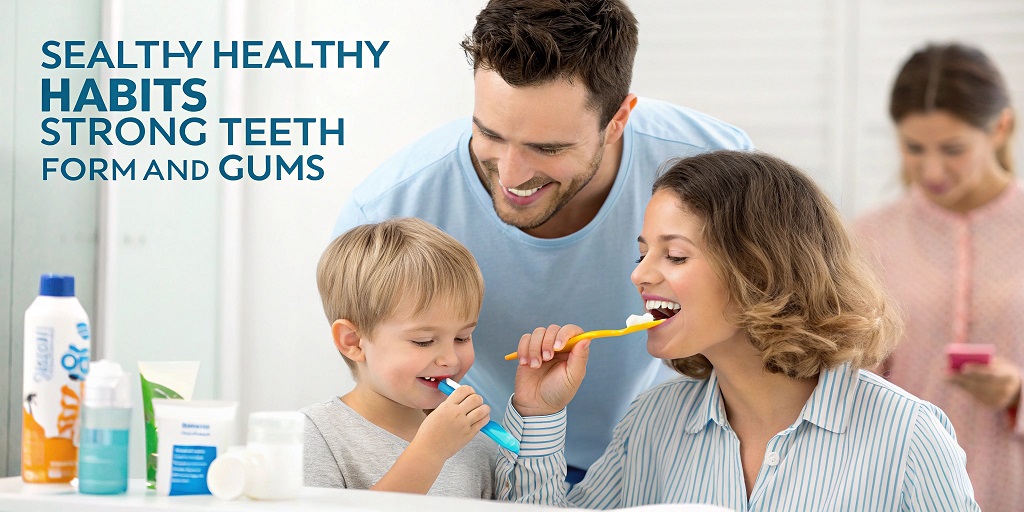
Healthy Habits for a Lifetime of Strong Teeth and Gums
Key Takeaways
- Consistent oral hygiene routines help prevent dental issues, such as cavities and gum disease.
- Choosing nutrient-dense foods and limiting sugary snacks helps strengthen teeth and promote gum health.
- Professional dental check-ups provide early detection and support for lifelong oral wellness.
- Mouthguard use, hydration, and quitting tobacco can make a significant difference for your smile.
- Adopting daily habits for oral care builds confidence and improves overall quality of life.
Introduction:
Dental health often doesn’t get the attention it deserves—until a painful cavity or gum issue arises. However, taking just a few minutes each day to care for your teeth can have lasting effects not only on your smile but also on your overall well-being. This article explores the significance of daily dental care and how simple routines, informed food choices, and regular check-ups can have a profound impact on overall health. Whether you’re brushing up on your habits or helping your children develop theirs, the key to a healthier, brighter smile starts with small, consistent steps.
Why Daily Dental Care Matters
Oral health is not only essential for a bright smile, but it’s also key to keeping the rest of the body healthy. Every time food is consumed, the bacteria naturally present in the mouth interact with sugars to form acids. These acids attack enamel, the outer layer of teeth, and can lead to cavities and gum disease if not controlled with daily care. According to research, over 90% of adults have had a cavity, and nearly half show signs of gum disease, highlighting how common dental problems can be.
Consistency in oral hygiene routines forms the essential barrier between your mouth and common dental issues. Professionals, including Burlington dental care experts, recommend making daily dental care a lifelong habit. Establishing a routine of brushing and flossing prevents the buildup of plaque and tartar, which are bacteria’s favorite habitats. Not only does this routine lower the risk of dental problems, but it can also help prevent discomfort, costly treatments, and complications such as tooth loss or systemic health issues linked to oral infections.
Building an Easy Tooth Care Routine
The backbone of dental health is a reliable, simple care routine—and the good news is that everyone can master it. Start by brushing your teeth in the morning and before bed using a fluoride toothpaste. This mineral strengthens the enamel, making teeth more resistant to acid attacks. Use a soft-bristled toothbrush and gentle, circular strokes to reach every surface, including the gums and tongue. Don’t forget the inner surfaces of your teeth, which are often overlooked.
- Brush thoroughly for at least two minutes each session.
- Clean between teeth daily with dental floss or an interdental brush to remove plaque from areas a toothbrush can’t reach.
- Use an antimicrobial or fluoride mouthwash if your dentist recommends it to add another layer of protection.
- Refresh your toothbrush every three to four months, or sooner if the bristles are frayed.
Following guidelines from the American Dental Association, being thorough and attentive with these steps significantly decreases your risk for oral health complications. Consider using reminders or apps that play music for two minutes to help make sure your brushing is never rushed. Investing this short amount of time daily pays off by helping you avoid treatments like fillings and gum surgeries in the future.
Smart Food Choices for Stronger Teeth
Nutrition and oral health go hand-in-hand. Every meal and snack plays a role in the condition of your teeth and gums. Crunchy fruits and vegetables, such as apples, carrots, and celery, have a natural cleaning effect as they are eaten, helping to clear away food particles and sugars. They also stimulate saliva, which is your mouth’s best defense against cavity-forming acids, helping to repair early tooth decay and wash away bacteria.
Dairy foods, such as cheese, yogurt, and milk, are excellent sources of calcium and phosphorus, two minerals that help keep enamel resilient. Incorporating leafy greens and nuts into your meals also provides key nutrients essential for maintaining healthy gums and bones. Try to limit sugary treats, candies, sodas, and even acidic fruits, as these can create an environment that allows harmful bacteria to thrive and accelerate enamel erosion. Water is always a wise choice—after meals, it helps rinse away sugars and acids while keeping you hydrated.
If you crave something sweet, aim to have it during meals rather than as a snack, since increased saliva flow during meals helps buffer acids. Small changes in diet—such as swapping a sugary drink for water or opting for a cheese stick instead of a cookie—can add up over time to make a profound difference in dental strength and health.
How to Spot Trouble Early
Recognizing the early signs of dental problems allows for faster, simpler treatment that can save teeth and prevent discomfort. Red, swollen, or bleeding gums are often the first clues of gingivitis, the earliest form of gum disease. If left unaddressed, this can develop into periodontitis, a more severe infection that can damage the soft tissue and bone supporting your teeth. Sensitivity to hot or cold temperatures—such as when sipping coffee or eating ice cream—suggests enamel wear, cavities, or exposed tooth roots.
Other signs to watch for include persistent bad breath, white spots on teeth, sores that linger for more than two weeks, or teeth that shift in position or feel loose. When you notice any changes, schedule a dental appointment promptly. Addressing minor issues early often results in less invasive treatments and a quicker return to full health.
The Role of Routine Dental Visits
Home care is fundamental, but professional help is equally important. Visiting your dentist and dental hygienist every six months for cleanings and check-ups is one of the best ways to maintain a healthy mouth throughout your lifetime. During these visits, experts use specialized tools to clean stubborn tartar, check for early signs of disease, and screen for oral cancer—services that go far beyond what you can do at home. As highlighted by the Dental Health Foundation, regular dental visits are crucial for detecting problems early, thereby reducing the need for more invasive treatments later on. These appointments also provide an opportunity to fine-tune your routine, receive personalized product recommendations, and discuss concerns such as sensitivity or grinding. Trusted organizations consistently emphasize the value of preventive dental care, which helps ensure that problems are detected at their earliest and most treatable stages. By keeping up with professional check-ups, you set yourself up for lifelong savings, comfort, and health.
Simple Habits That Add Up
Protecting your mouth doesn’t have to be time-consuming or complicated. Small, intentional habits make a significant impact. For example, drinking water throughout the day does more than quench thirst—it helps flush away food particles and neutralize acids. Chewing sugar-free gum after a meal stimulates saliva, which is especially helpful if you tend to snack or don’t brush right away.
- Drink water throughout the day, especially after meals and snacks, to keep your mouth clean and hydrated.
- Chew sugar-free gum to increase saliva and help cleanse teeth when brushing isn’t possible.
- Wear a mouthguard for sports or if you grind your teeth at night, as it reduces the risk of chipped or broken teeth.
- Limit tobacco and alcohol use, as both have been linked to gum disease, oral cancers, and staining.
These practical steps are easy to incorporate, regardless of your age, and offer cumulative, lifelong benefits for your dental health.
Encouraging Healthy Habits in Children
Instilling good dental habits in children prepares them for a lifetime of oral health. Make brushing and flossing a family activity so children see it as a regular part of the daily routine. Use child-friendly products, such as flavored toothpaste and colorful brushes, to make the experience more engaging. Positive reinforcements—like stickers, reward charts, or an extra bedtime story—can turn a reluctant brusher into a motivated one.
Most importantly, be a role model. Children learn best by example, so let them see you caring for your teeth too. Pediatric experts note that these early habits dramatically reduce the likelihood of cavities and gum disease later in life. By working together, families can help every member protect their smiles for years to come.
Enjoy the Lasting Benefits
Healthy teeth and gums provide more than just cosmetic benefits. They contribute to clearer speech, efficient chewing, and sustained self-esteem at every stage of life. Keeping up with daily care, choosing the right foods, and maintaining dental check-ups lay the groundwork for a future without dental pain or expensive treatments.
Don’t underestimate the power of small, daily choices to shape your health and happiness. Whether you’re establishing habits for yourself or your family, investing a few minutes each day is the key to a confident, radiant, and resilient smile that will serve you for years to come.